DataByte


Join the vast interconnected world of data.

Data has a better idea

The world’s most valuable resource is no longer oil, but data.
Make sure it is in the hands of companies you trust and have a say in how you want to share your information.

You make the difference

With the emergence of technology, consumers are worried about their data more than ever before.

We provide the opportunity to end users to be in control of their personal data. DataByte provides full consent and transparency to how your data is being collected and used. We're putting the authority back in your hands and the money in your pocket.

Understanding the problem

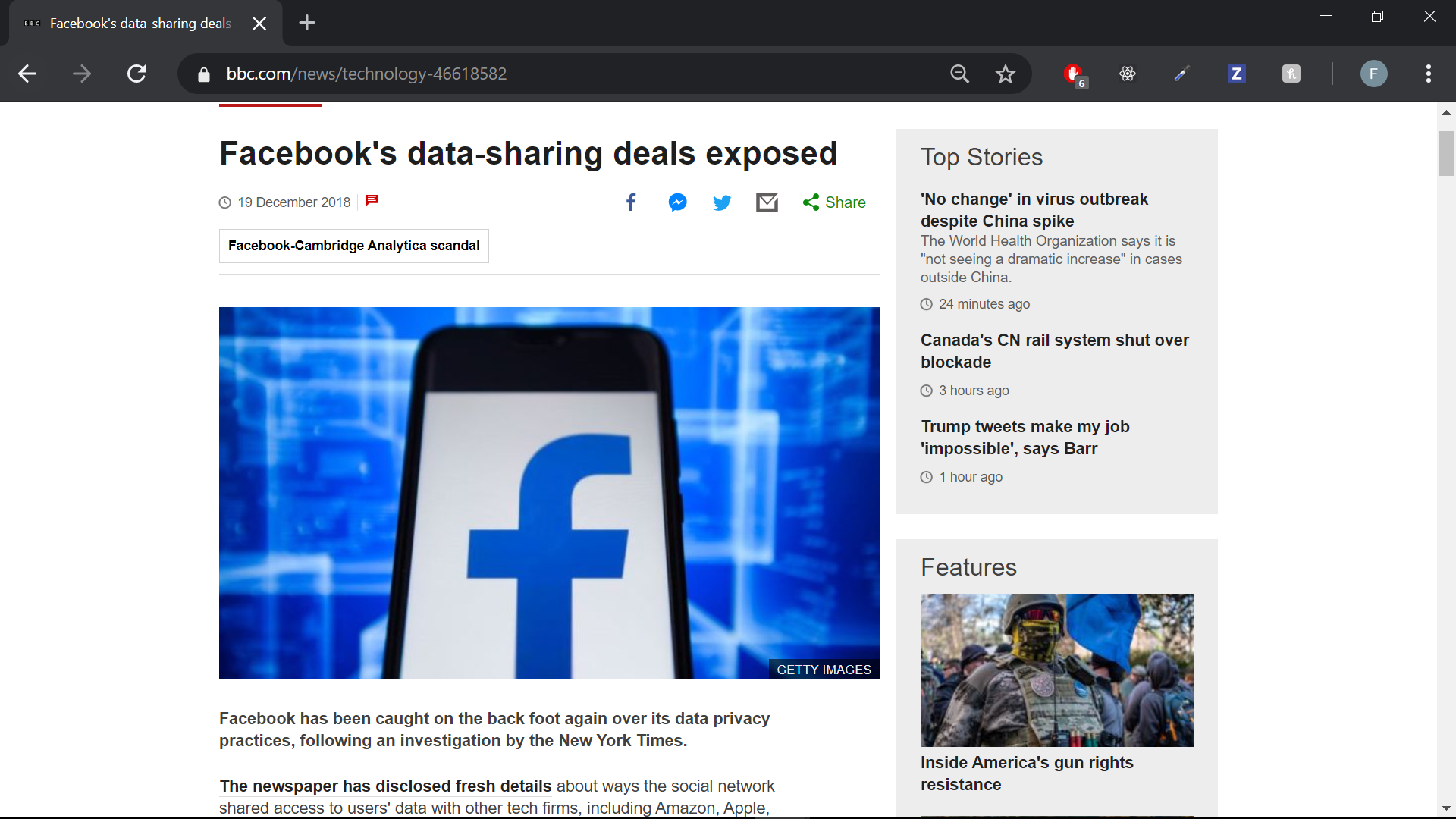
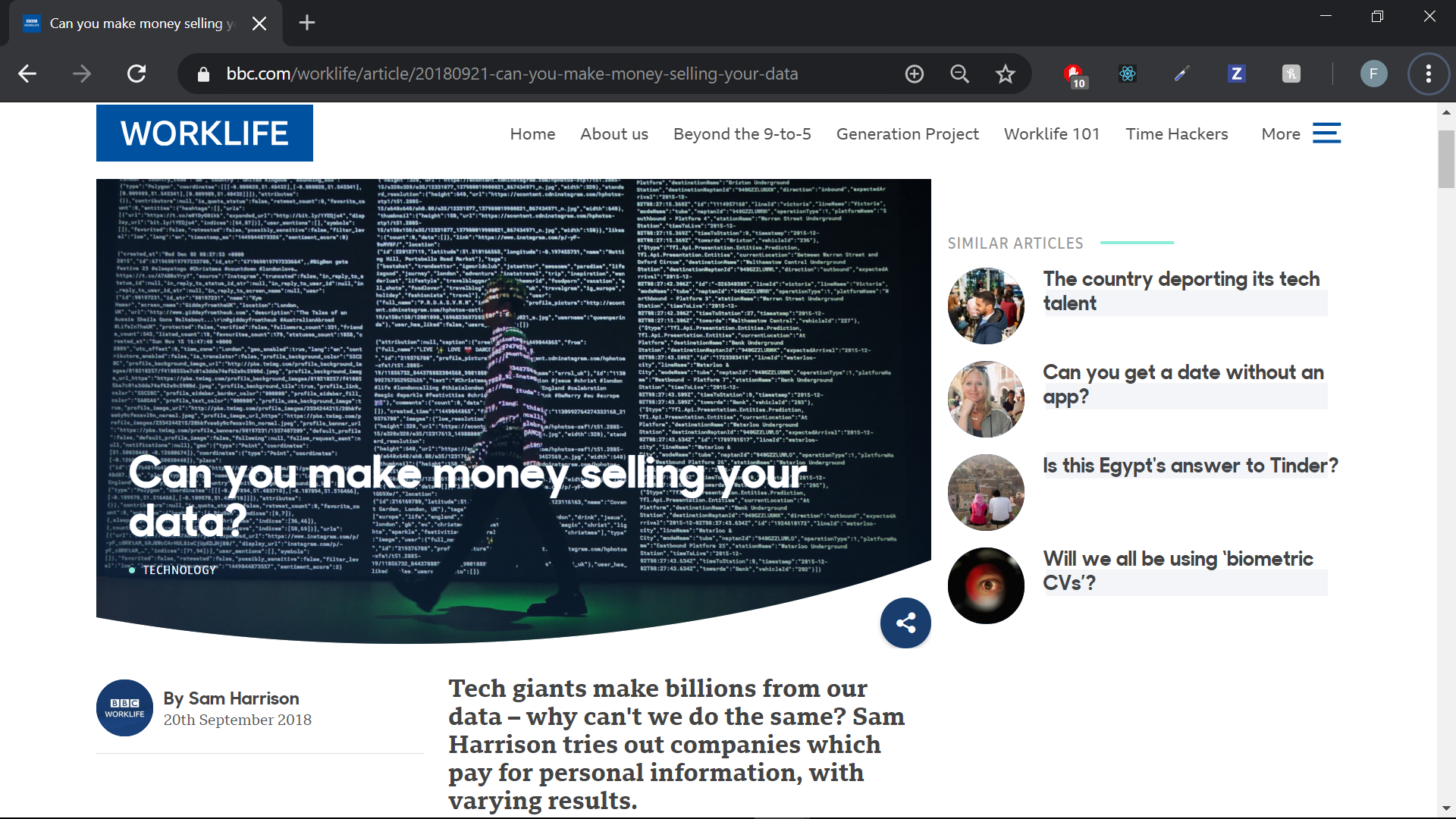
It is clear that in today’s day and age of data and information overload, the question arises whether or not selling said data is ethical, necessary or even safe. Consumers, avid technology users and everyday people like you and I become increasily concerned, over whether our information has slipped into the wrong hand. It is no secret that companies worldwide are using our data for different reasons. An example of such company is the infamous social networking website, Facebook. Facebook is being paid money for the amount of information it is able to collect and redistribute. However, the problem arises due to the fact that this data is stripped and sold from the user without making them aware to what means it will be used. Morever, why should the companies, already making millions or even billions of dollars, be rewarded and the user receive nothing?

Research

What already exists

New solutions take more of a seller and buyer initiative. They provide a market place where people can transact openly and transparently with the data. Buyers are clearly defined, and so are the sellers. Some data brokers such as Datapace and Wibson offer state of the art technology by implementing a decentralized data marketplace with blockchain technology.

Issues with Convetional Solutions

While analyzing what competitors were offering, we discovered several flaws, which make this business not as obvious as it would seem.

First of all, the companies using conventional solutions, have borderline unethical approach to privacy and personal data. This has grown distasteful to the consumer, since not only have they shown to not take the required approach towards consent, but also lack expertise in storing the data securely.

Case Study #1

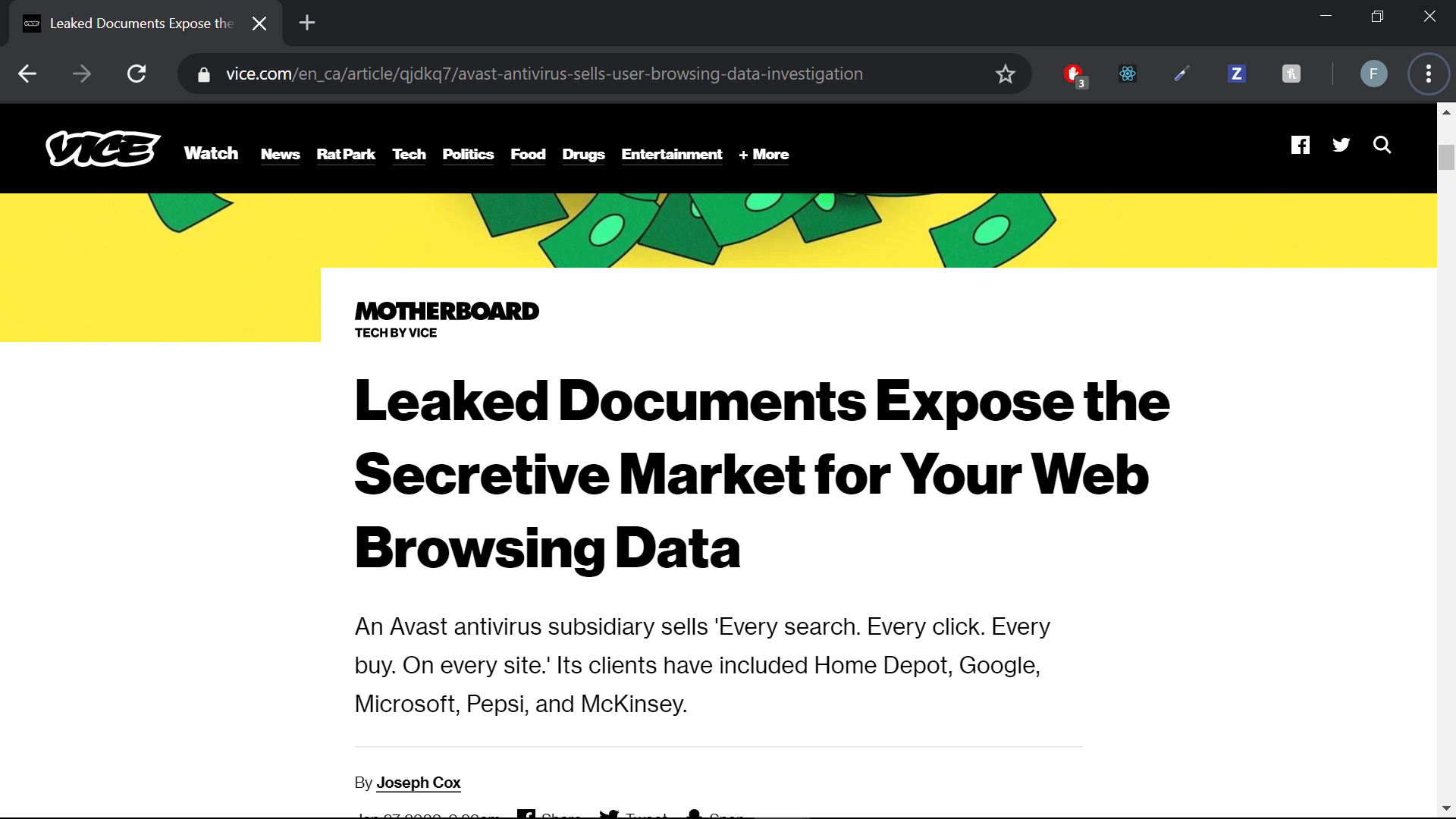
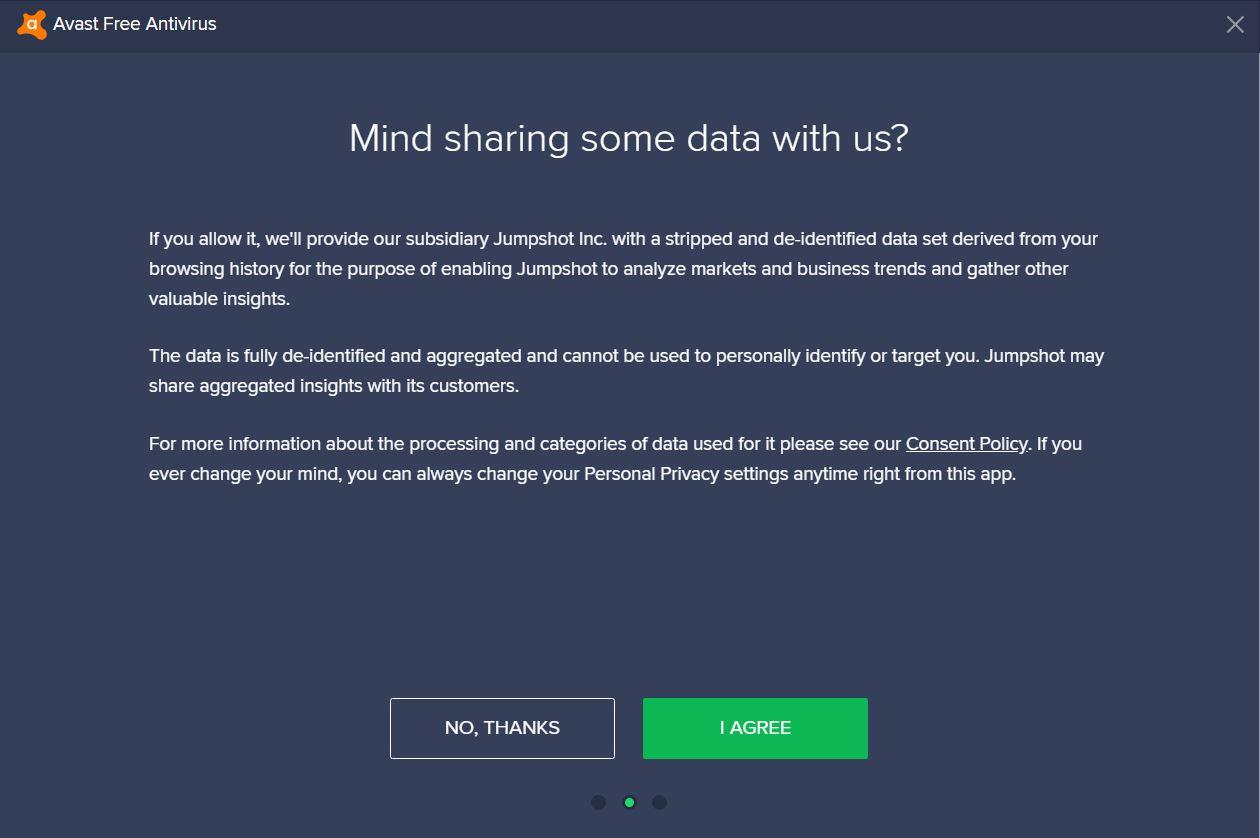
As recent as December 4th 2019, there has been a scandal implicating Avast. The antivirus company has have been caught red handed selling personal user data to a subsidiary named Jumpshot. Jumpshot would then repackage the data and sell to companies by the name of Google, Yelp, Microsoft, McKinsey, Pepsi. According to PCMag and Vice Avast serves more than 435 million active users monthly and Jumpshot has collected information from 100 million devices.

We believe transparency is still to be desired, as Avast and Jumpshot aren't newly formed business partners, their relation dates from 2013. Under the pretext of "working magic against slow PC performance". It could be argued that data collection is a necessary step in order to optimize computers, but it is how they did it that is distasteful and borderline unethical. Many users of the free Avast antivirus, as reported by Vice, claim they were "not aware of this". Other claim, being informed about the data collection, but not that it was being sold off afterwards. The screenshot below displays the opt-in prompt, we can clearly see it is psychologically designed to make the user belief they are doing the right thing by clicking the green button. More so that Avast has an image of a trusted antivirus company, putting the customers security and interest at the forefront.

Issues with Innovative Solutions

Picture this: You log in to Your Data Marketplace application which you have been using quite regularly. You have accumulated a significant lump sum of extra money by selling your data and all of a sudden, the amount falls well below what was indicated previously. Rewarding users in the form of blockchain comes along with such a risk.

Case Study #2

Datapace happens to be a direct competitor with a similar business model. The most apparent difference is they have decided to go for a "decentralized application based on the blockchain network with native token value". As the words blockchain and decentralized might be trending these days, those technologies are too volatile to underline the value that the data sellers provide. In Datapace whitepaper, 2017, it is described that their system would work through Cosmos hub. It's main purpose is to provide an common interface between the apps TAS token and the rest of cryptocurrencies. They claim this architecture will influence the token's technology and raise it's value.

Yet, by looking at the TAS market data, we can very clearly see that the optimistic claims of that system not only have they not been met, but also resulted in an -84.29% ROI.
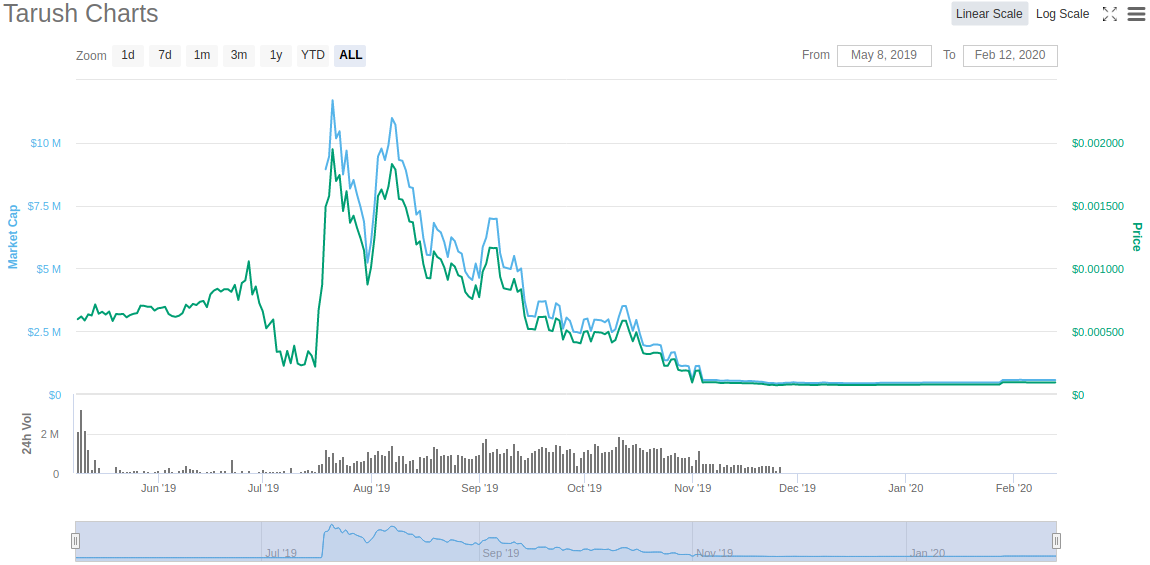
It could be argued, that it was bad luck, and with better management this model would have succeeded, but Wibson is another such example. Their coin information, WIB, is very limited but visibly shows the same trend as the one above. It is far from inspiring confidence.

Therefore, as we do believe in innovation in technology, we also think that we shouldn't gamble the success of a technology on real users. Specifically, when we want to preserve a trustworthy image. As it was once said in business: "Revenue is Vanity, Profit is Sanity, Cash is Reality".
What the consumer wants

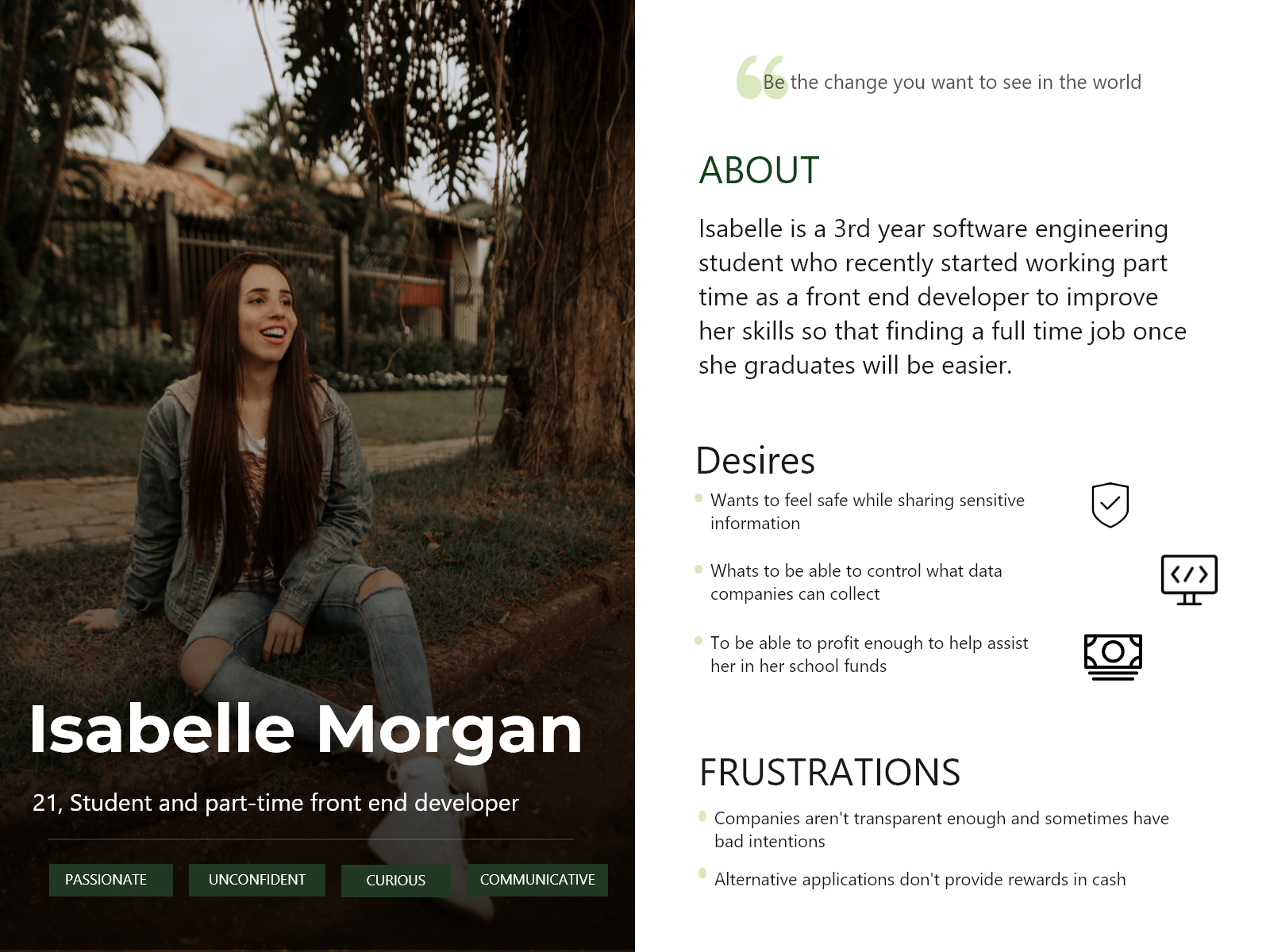
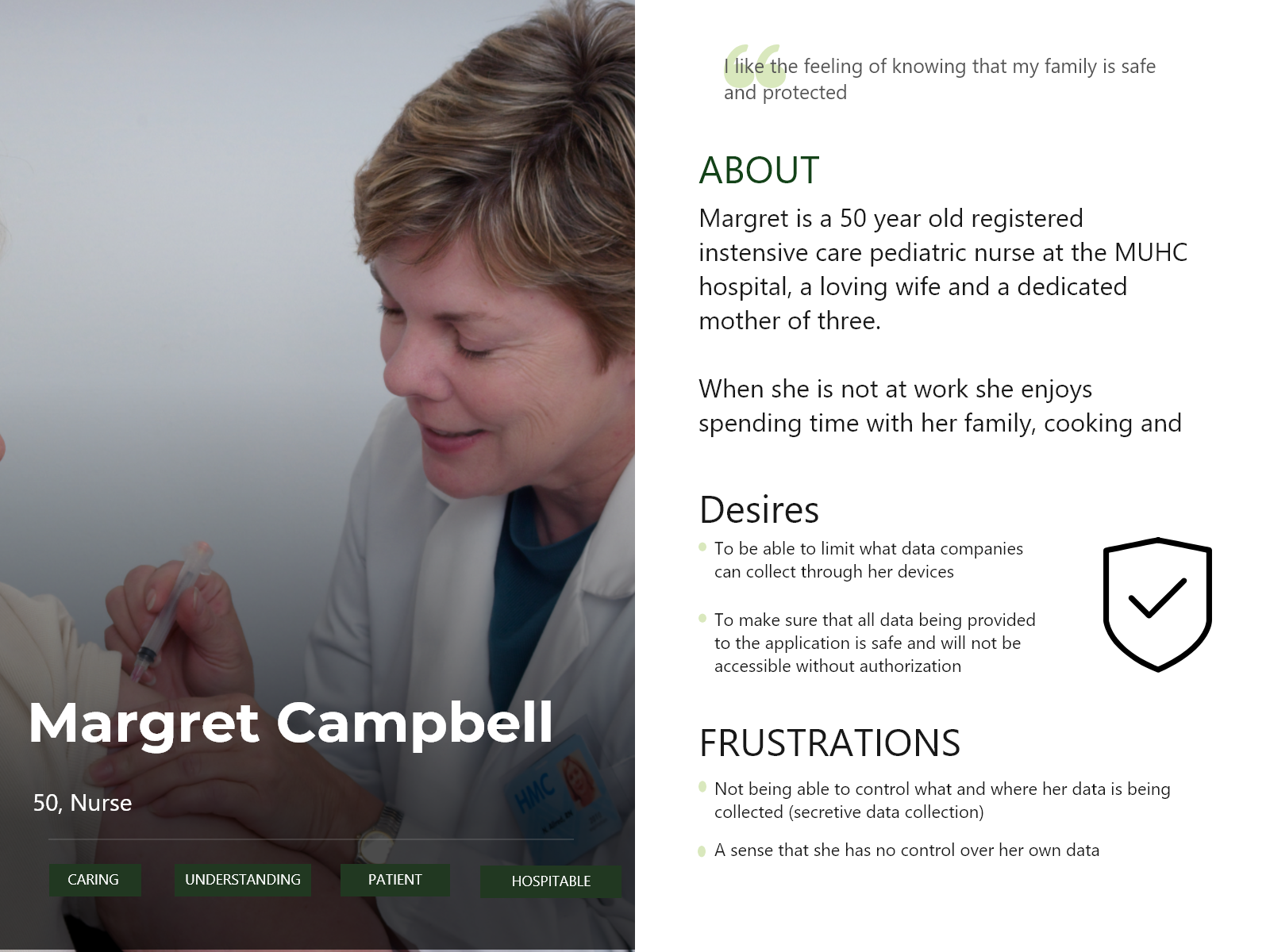
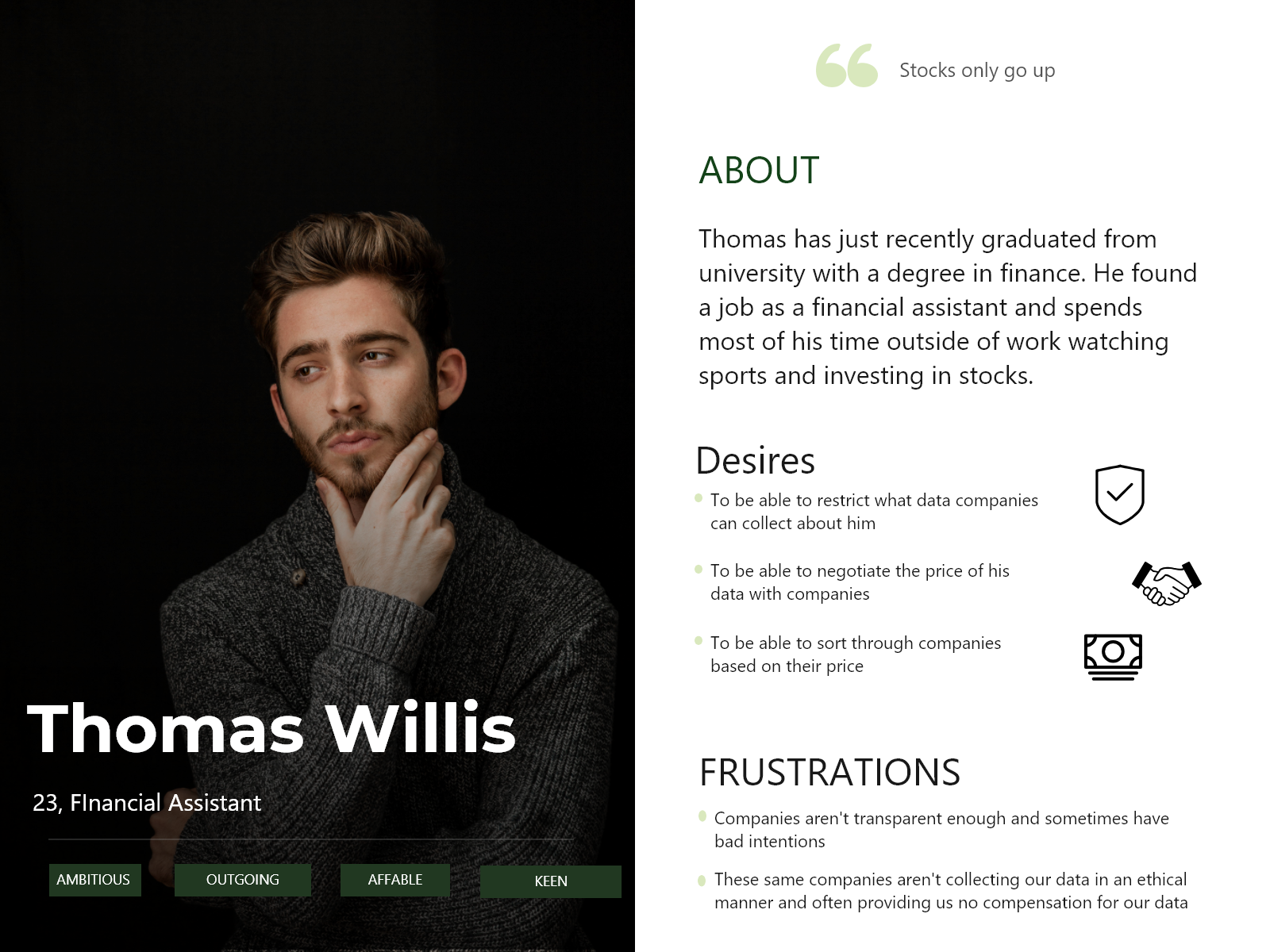
In order to understand our users and their needs, we have conducted interviews with sample size of the users we would be targeting, the sample size consists of 15 persons. Those include but aren't restricted to students, people working in the health department, biochemists, supervisors and coordinators as well as a soon to be finance analysts. Our goal was to cover a diverse demographic with different background and interests.




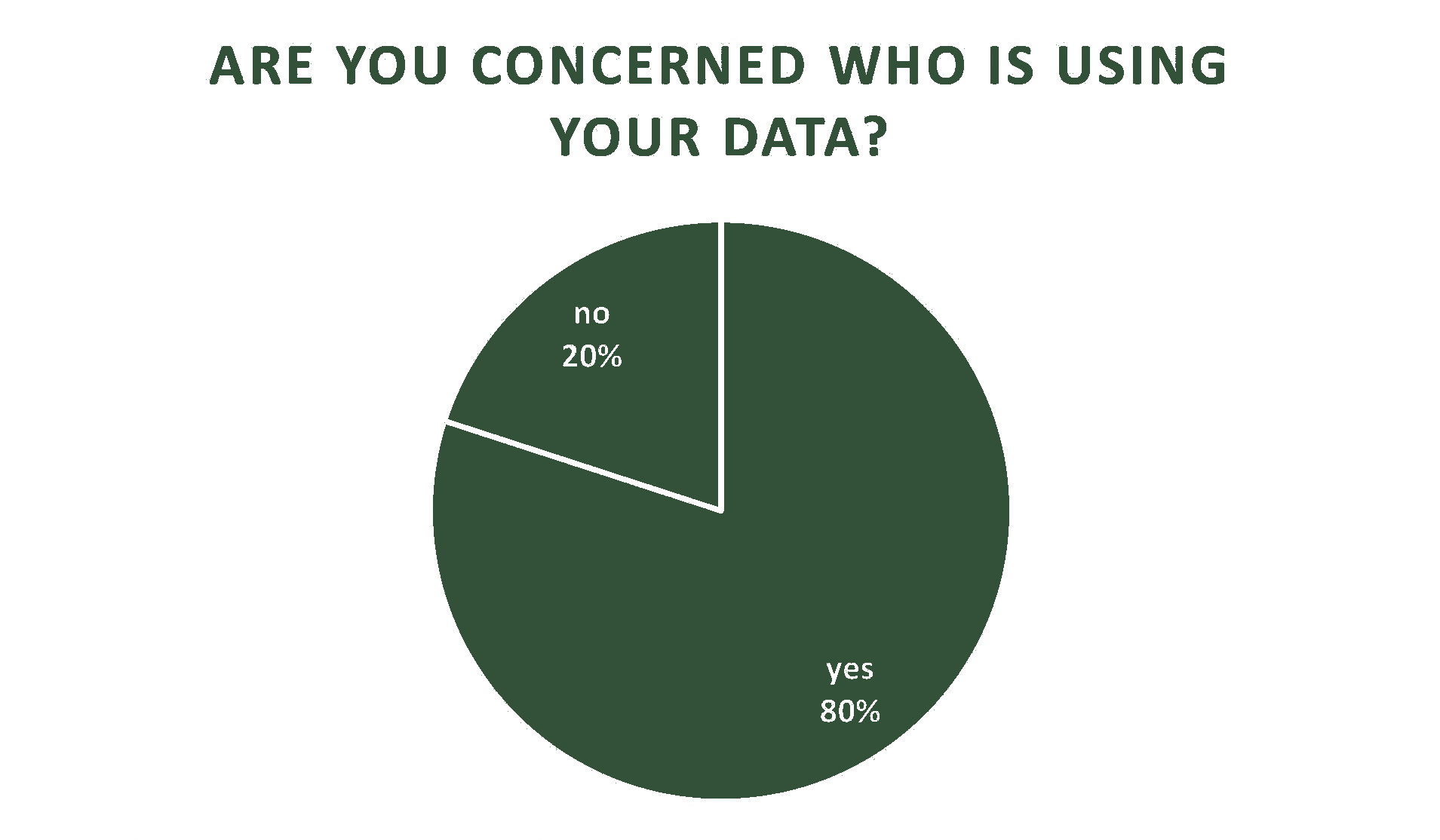
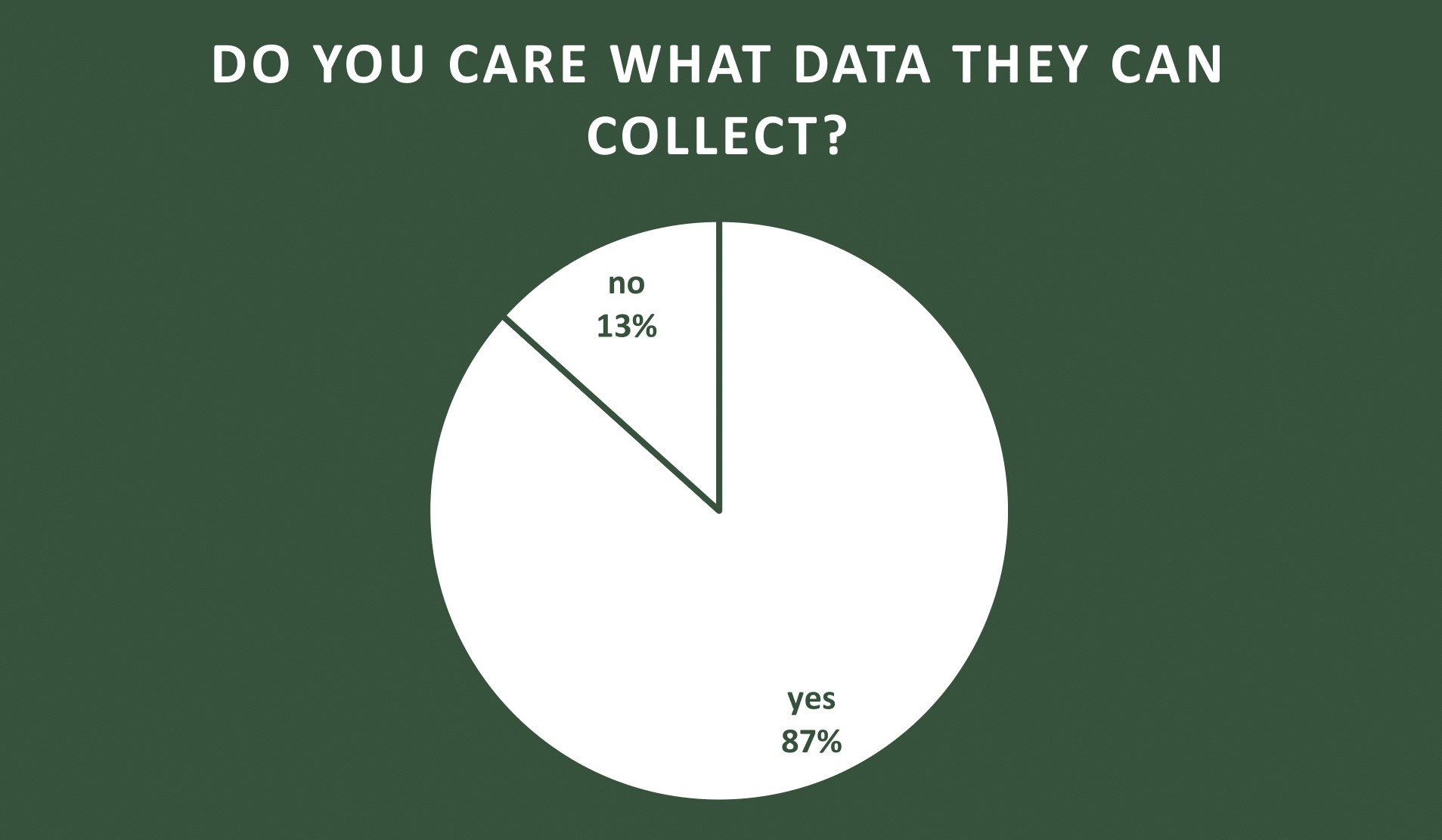
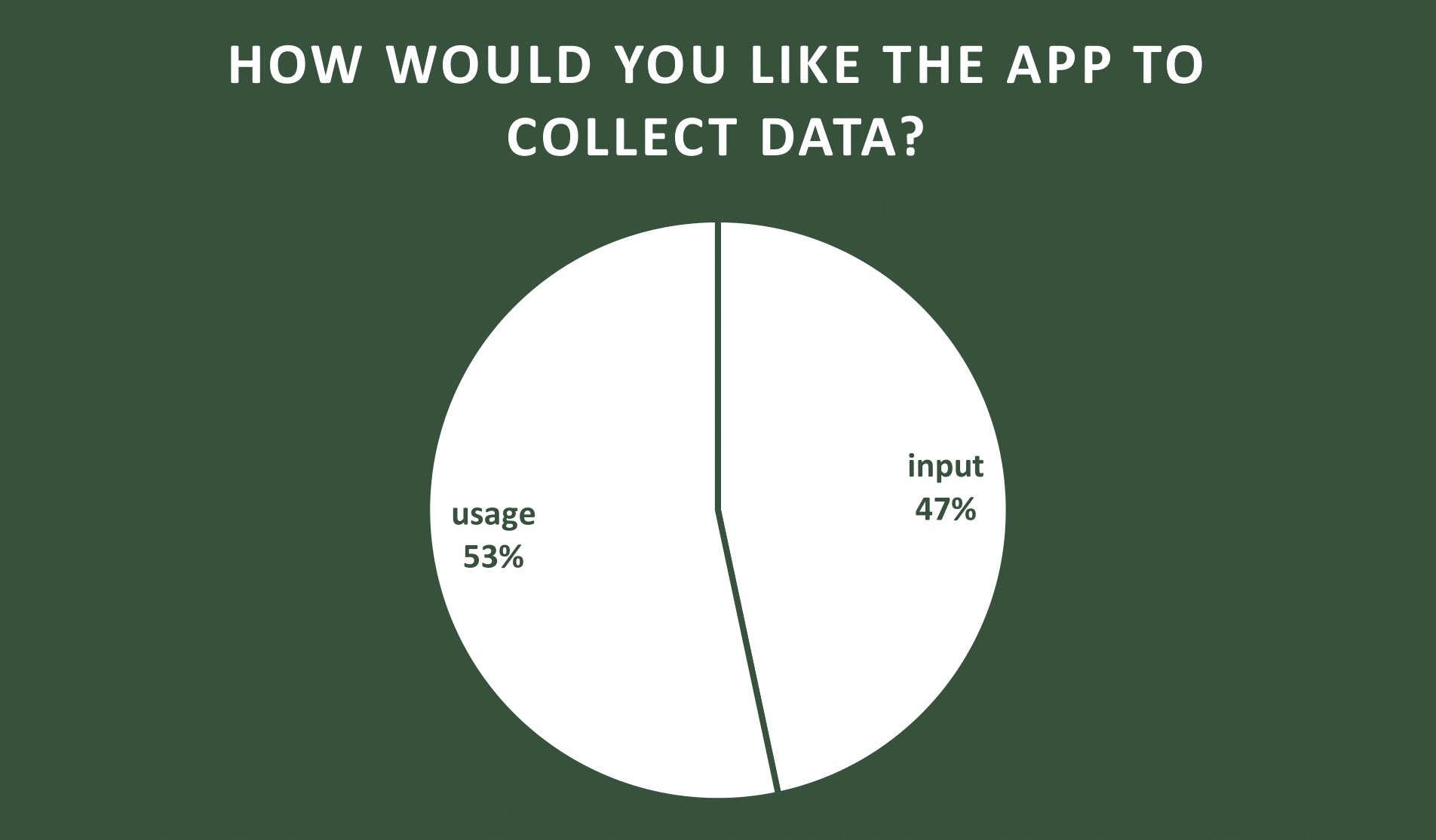
12 out 15 people are concerned about how their data is accessed. When inquired about the reason behind it, they do not trust companies with it. Time and again has shown deceptive approaches to opt-in their data collection. More important than being biased towards the companies collecting the data, end users are more concerned about what data is collected. This clearly shows that people have information they would rather not share. There are a multitude of reasons why this might be the case, therefore we believe it is important to underline which data points has the user agreed to share. We want the customer to feel confident when using our app, since we think this is the key to building long term relations with customer and successful business.


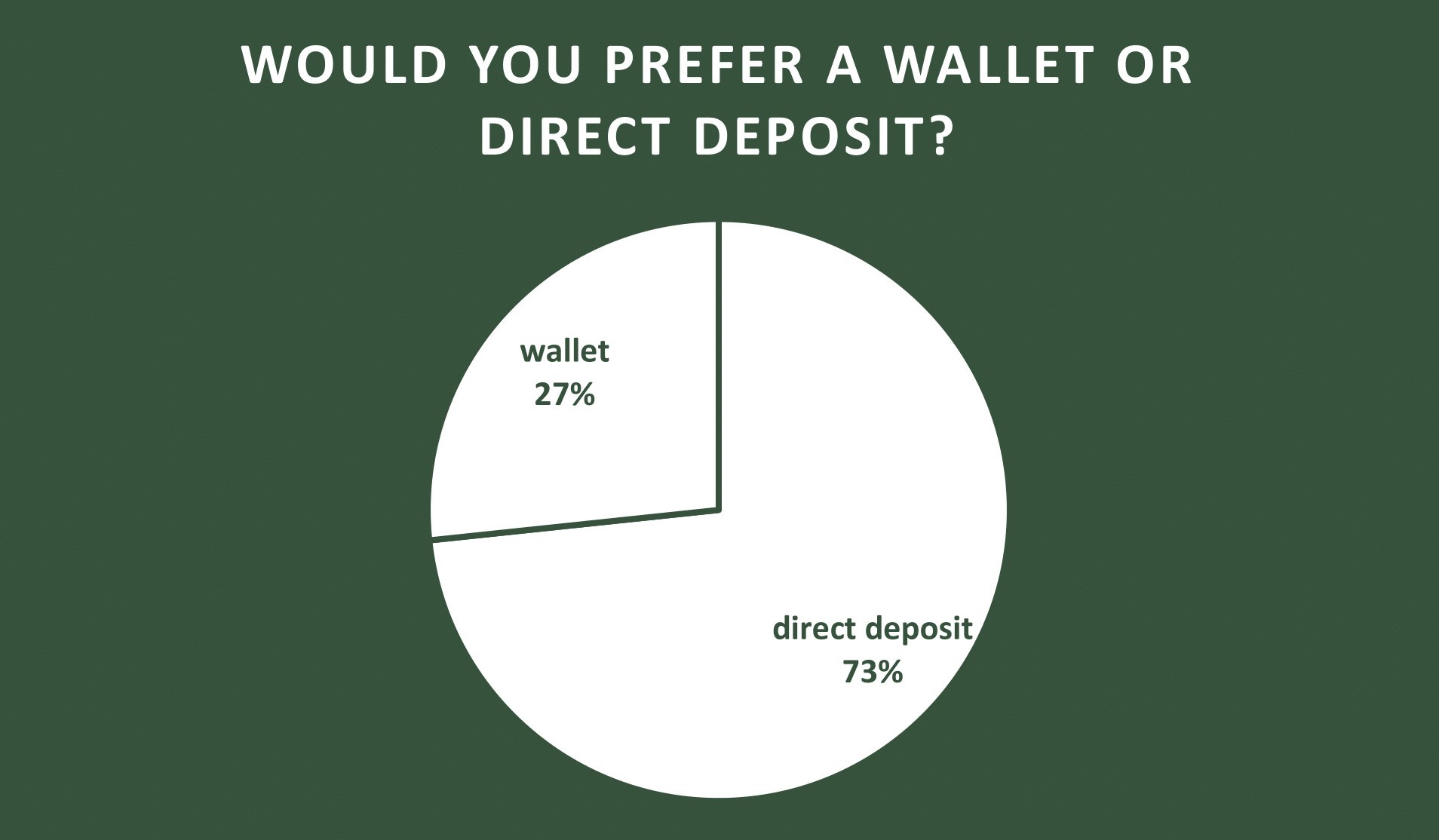
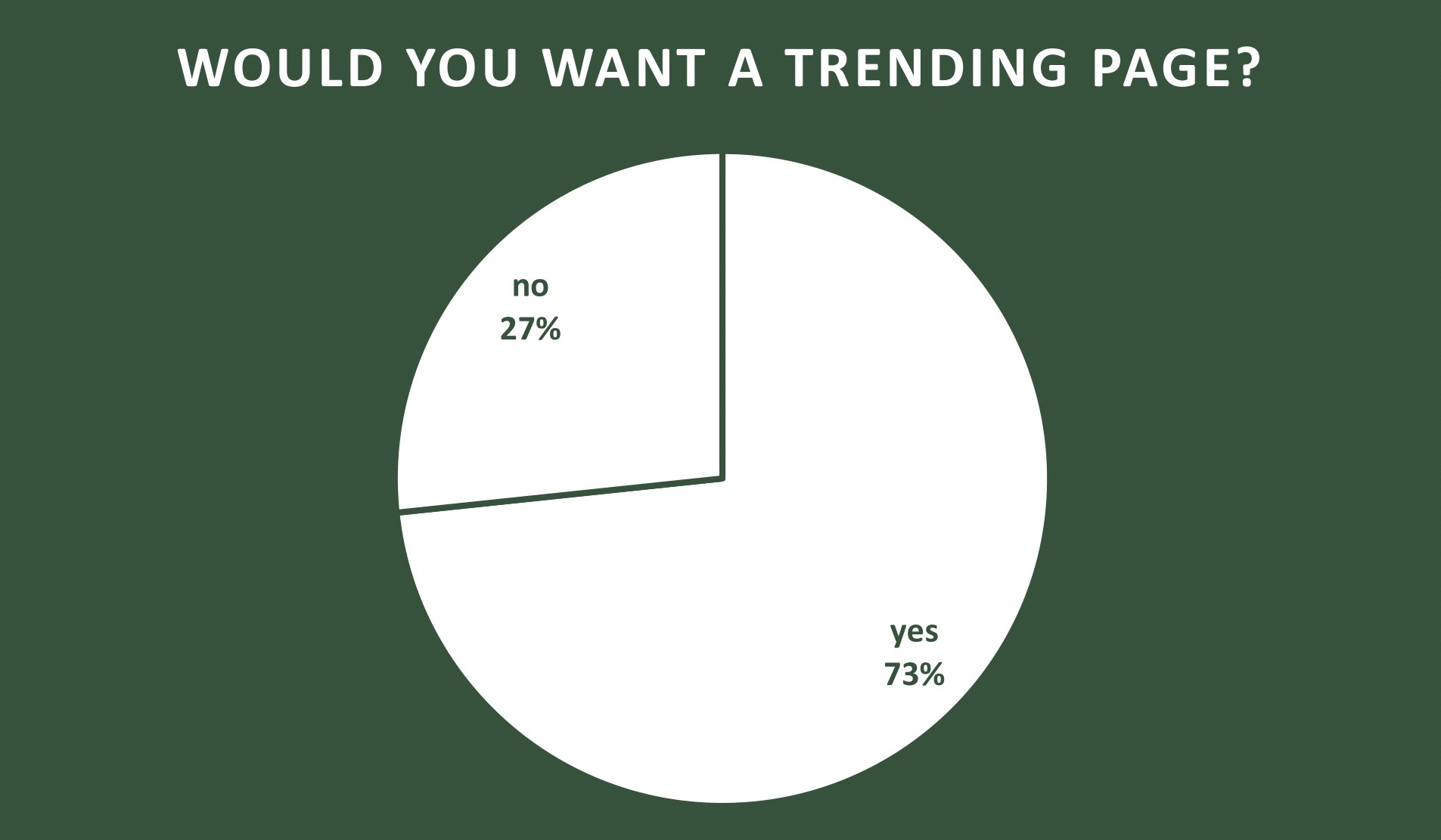
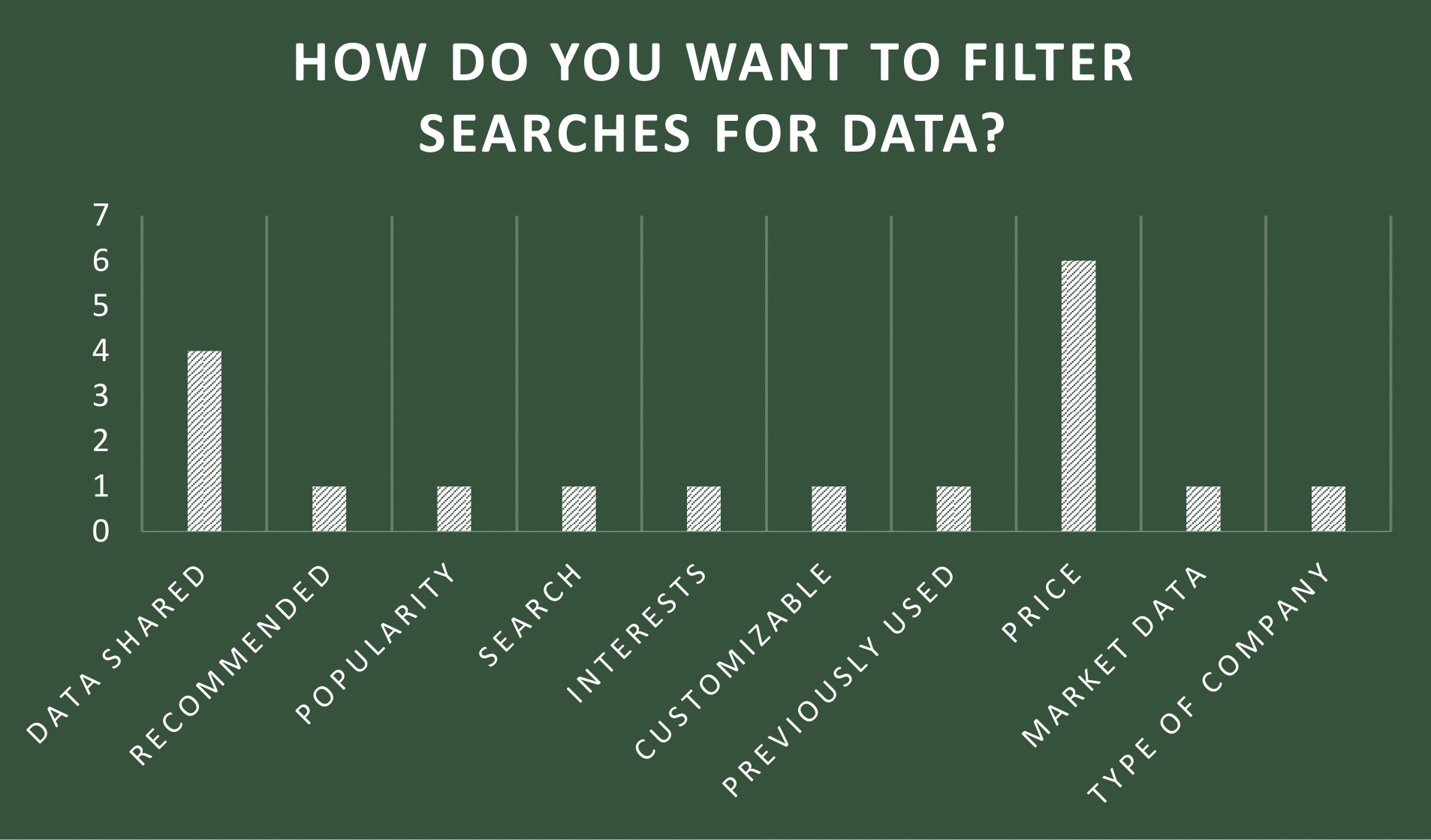
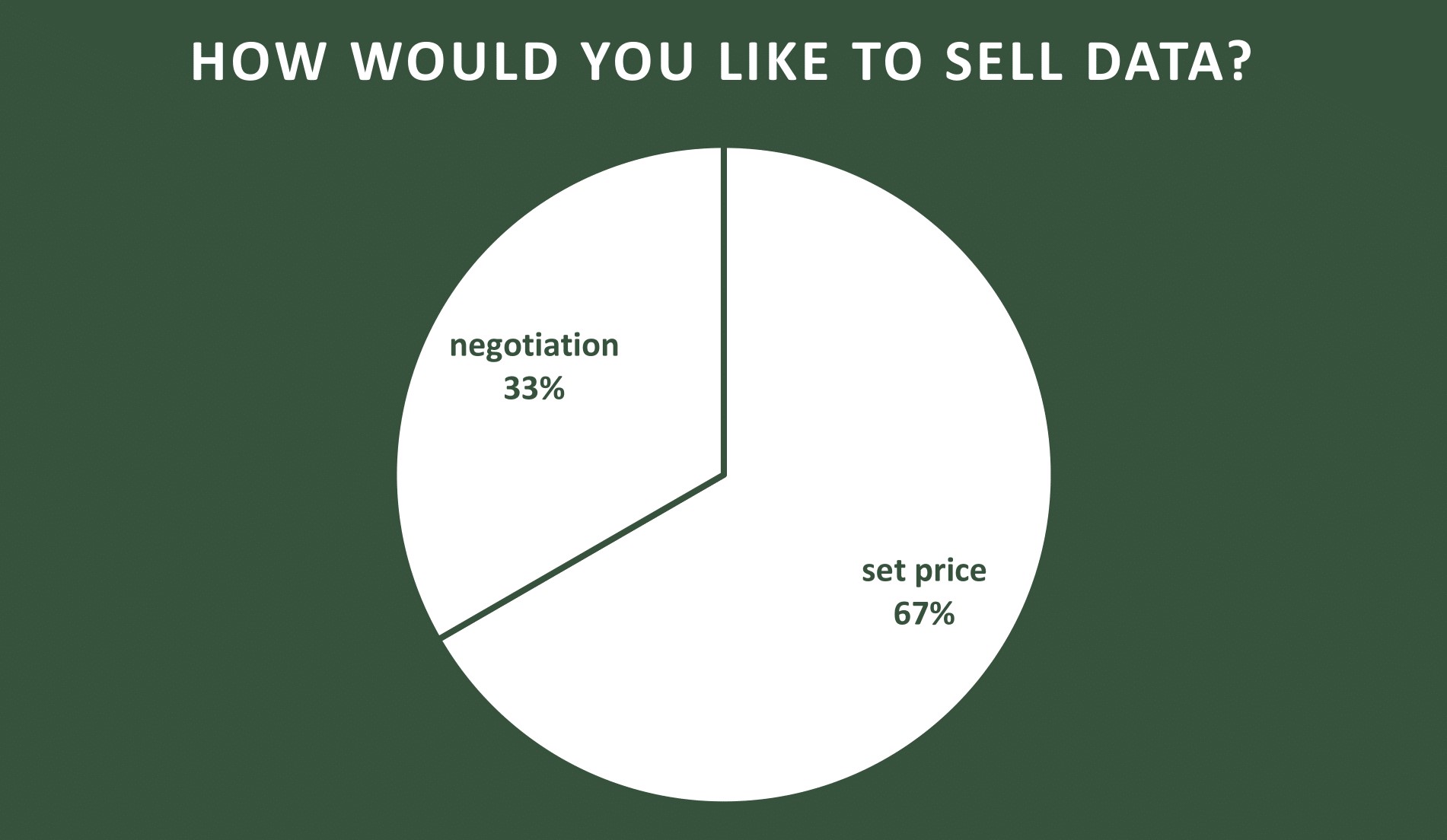
The following questions were designed to reflect specific user interactions prefered by our population sample.

Personas

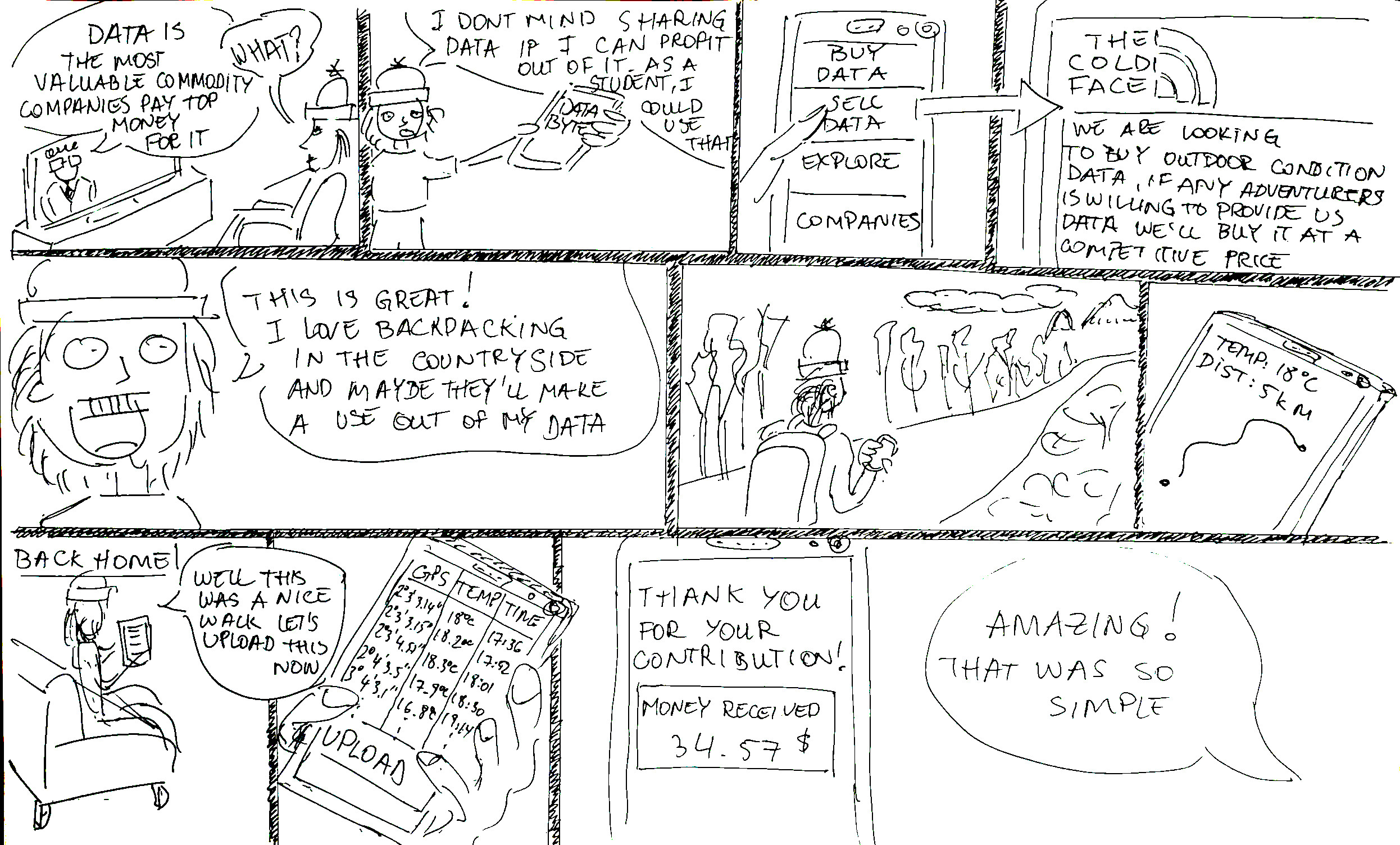
Storyboard

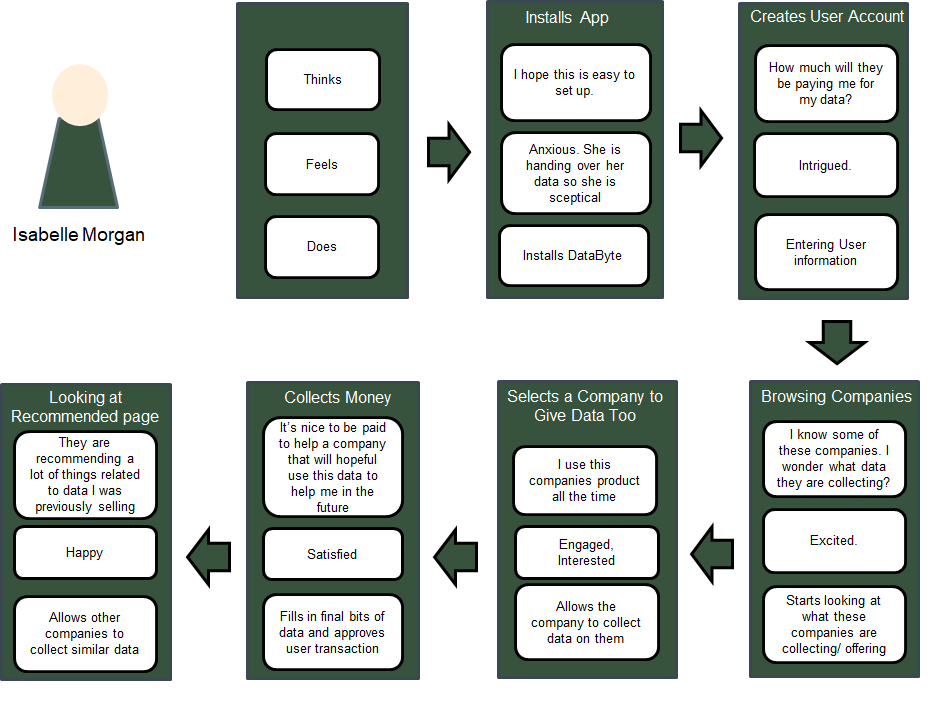
Journey Map


Color Palette

We have chosen our palette to underline the analytic and creative side of our customers. We wish to inspire confidence without intimidating the users.

#D6FFC8
#3A7544
#345231
#213821

Typography

"Helvetica Neue" is minimalistic. It's goal is to provide a clear description with no confusion. Such that the user feels comfortable and certain of the actions he's taking.

The quick brown fox jumps over the lazy dog

The quick brown fox jumps over the lazy dog

The quick brown fox jumps over the lazy dog

The quick brown fox jumps over the lazy dog

Icons

Premium designed icons for use in web, iOS, Android, and desktop apps. Support for SVG and web font.
Completely open source, MIT licensed and built by the Ionic Framework team.

Sketches

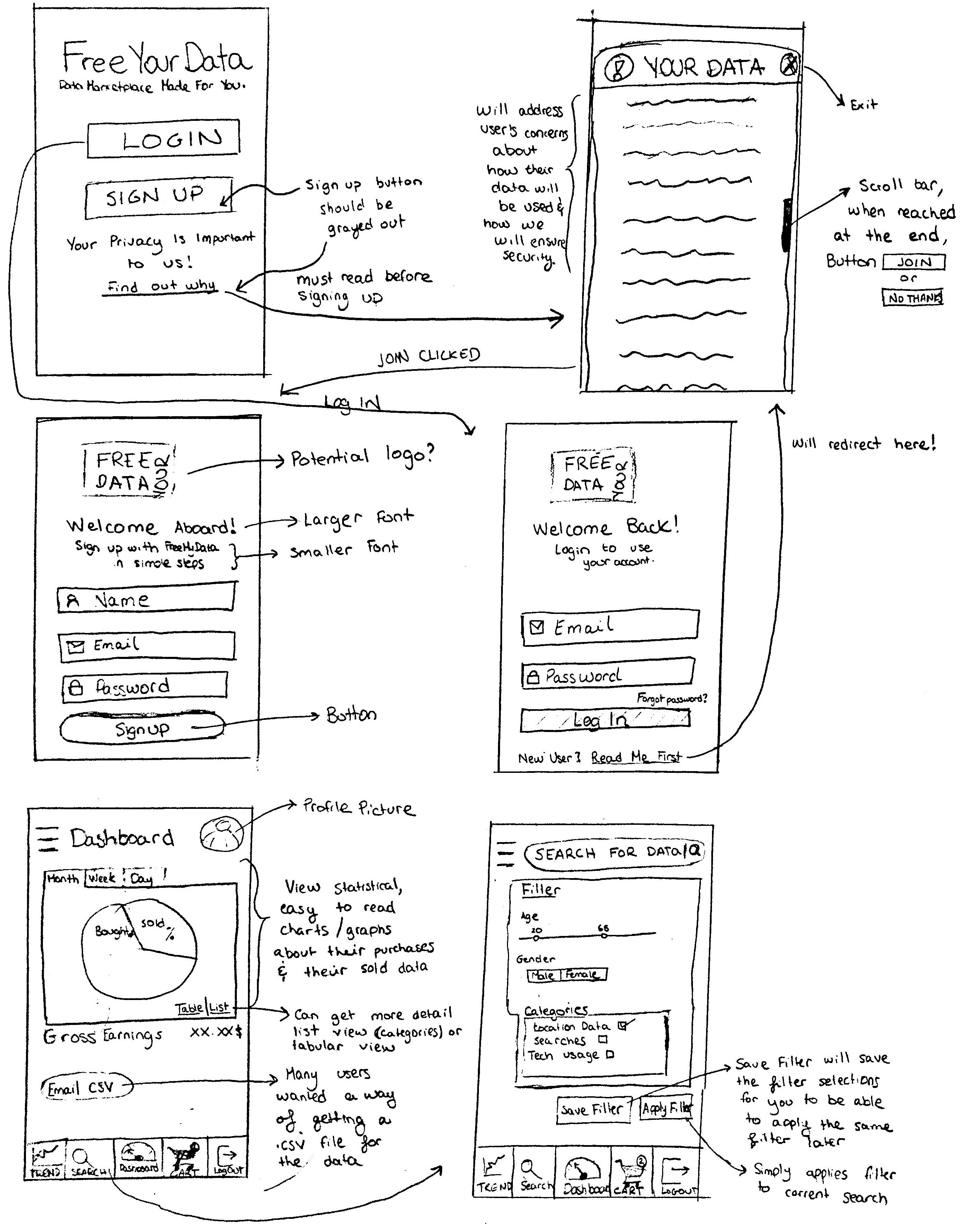
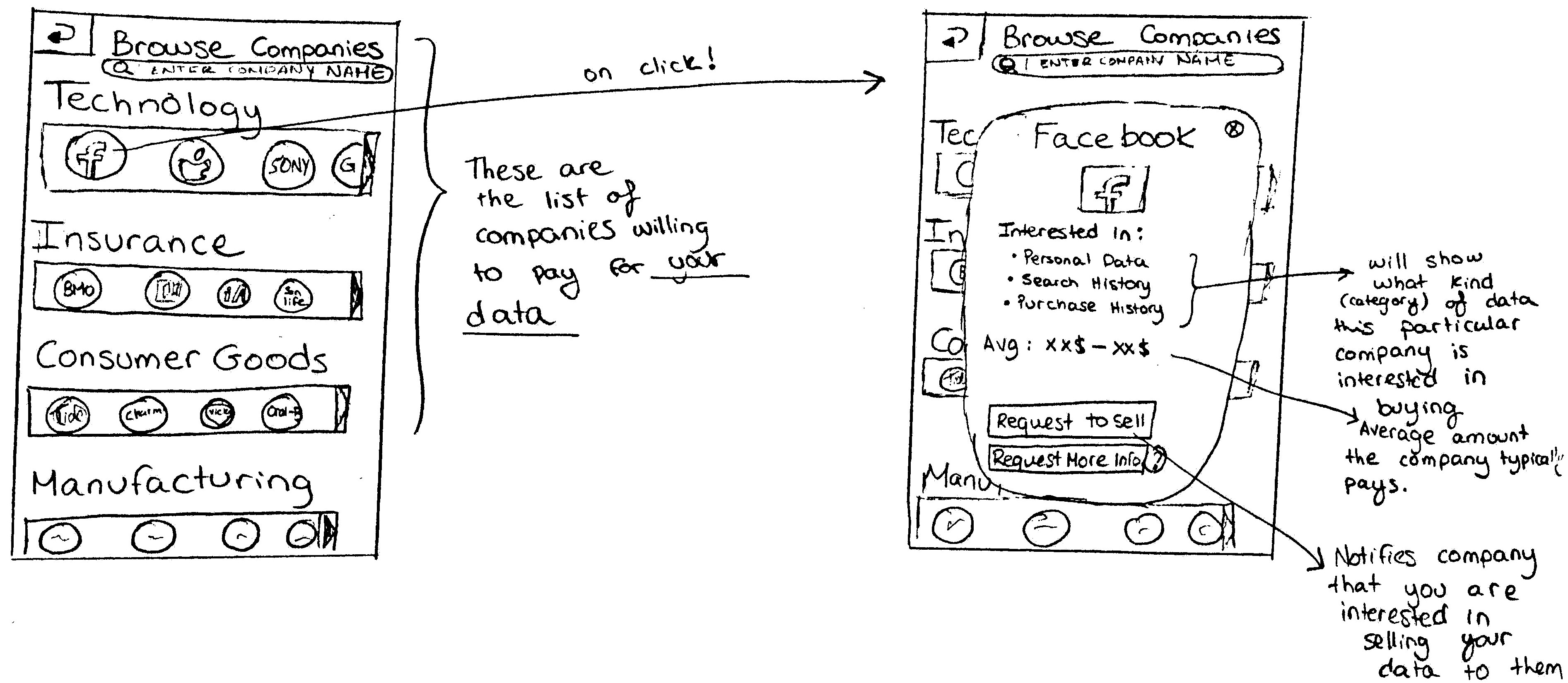
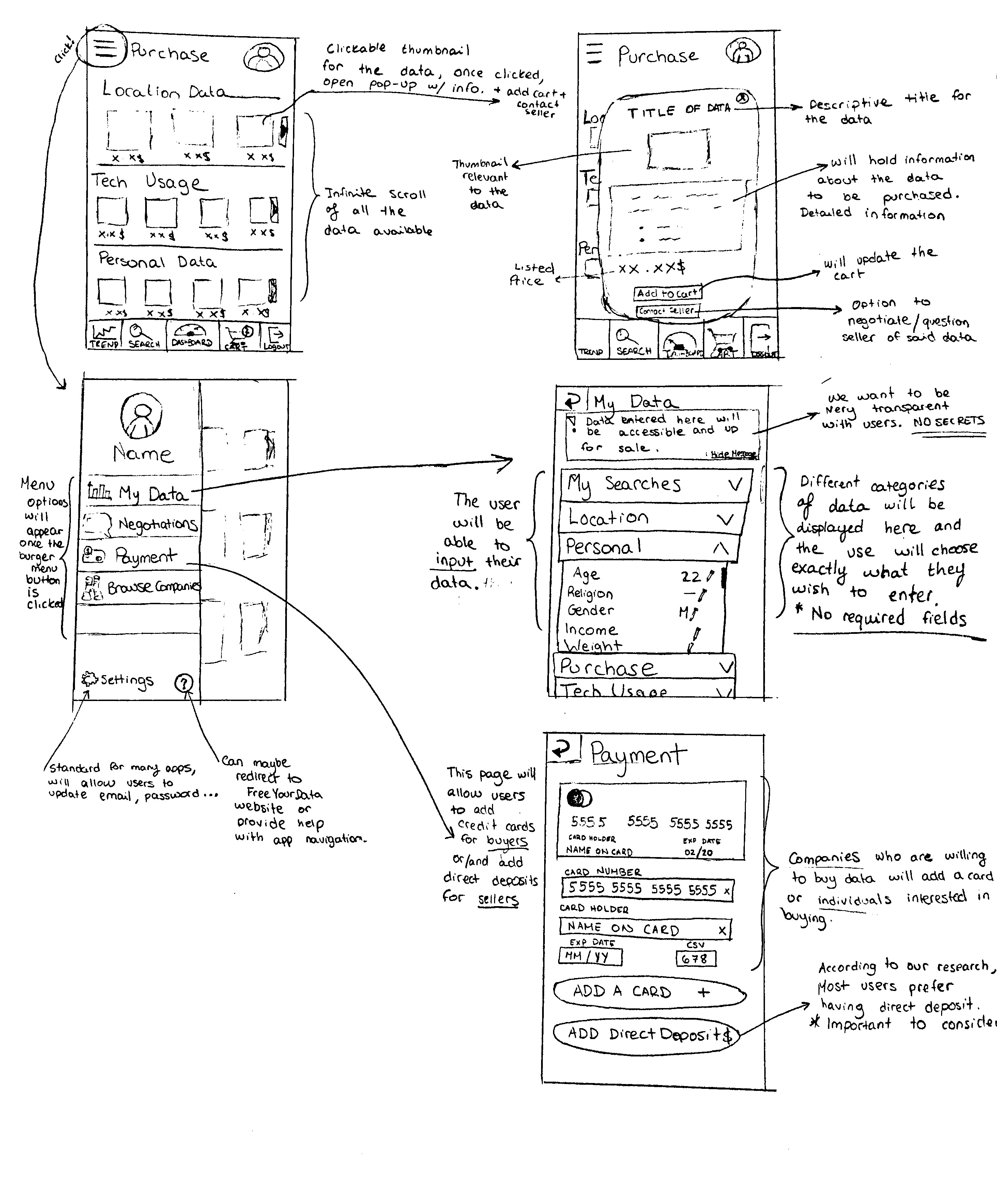
The first sketches were done in order to provide a general overview of what the application would look like. Following preliminary research by interviews, we were able to quickly elaborate on design decisions that would be of interest to our population sample. Furthermore, examining the sketches, one will quickly notice that a copious amount of accompanied notes surround each sketch. The latter was done to ensure that whoever consults said sketches can understand what is being demonstrated and for the us, as a team, to remember our ideas clearly.

Through the sketches, we wanted to show our consideration for sellers as well as buyers as these will be the primary users of the application. Some important elements for them were the need to be able to browse through companies who are buying data (for seller) and to be able to browse through data (for buyers).

Wireframes

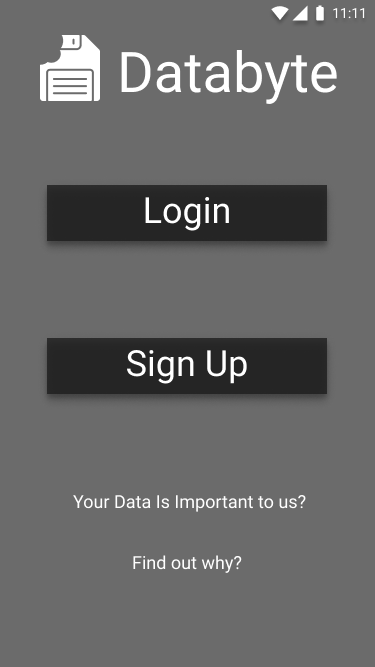
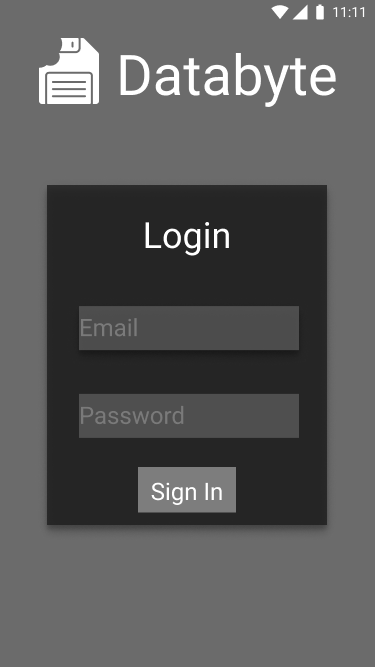
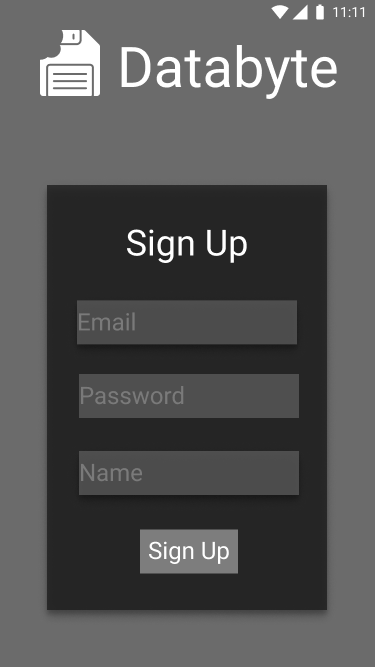
The following wireframes aim to translate the hand-drawn sketches to more properly layed out versions all while refining and tailoring our design decisions to our users.

From our hand drawn sketches, we had originally thought that forcing the user to read lengthy information is not ideal so instead we simply placed a link ("Find out why?") on the first page where users can access more information as to why their data is being used and information about data security.

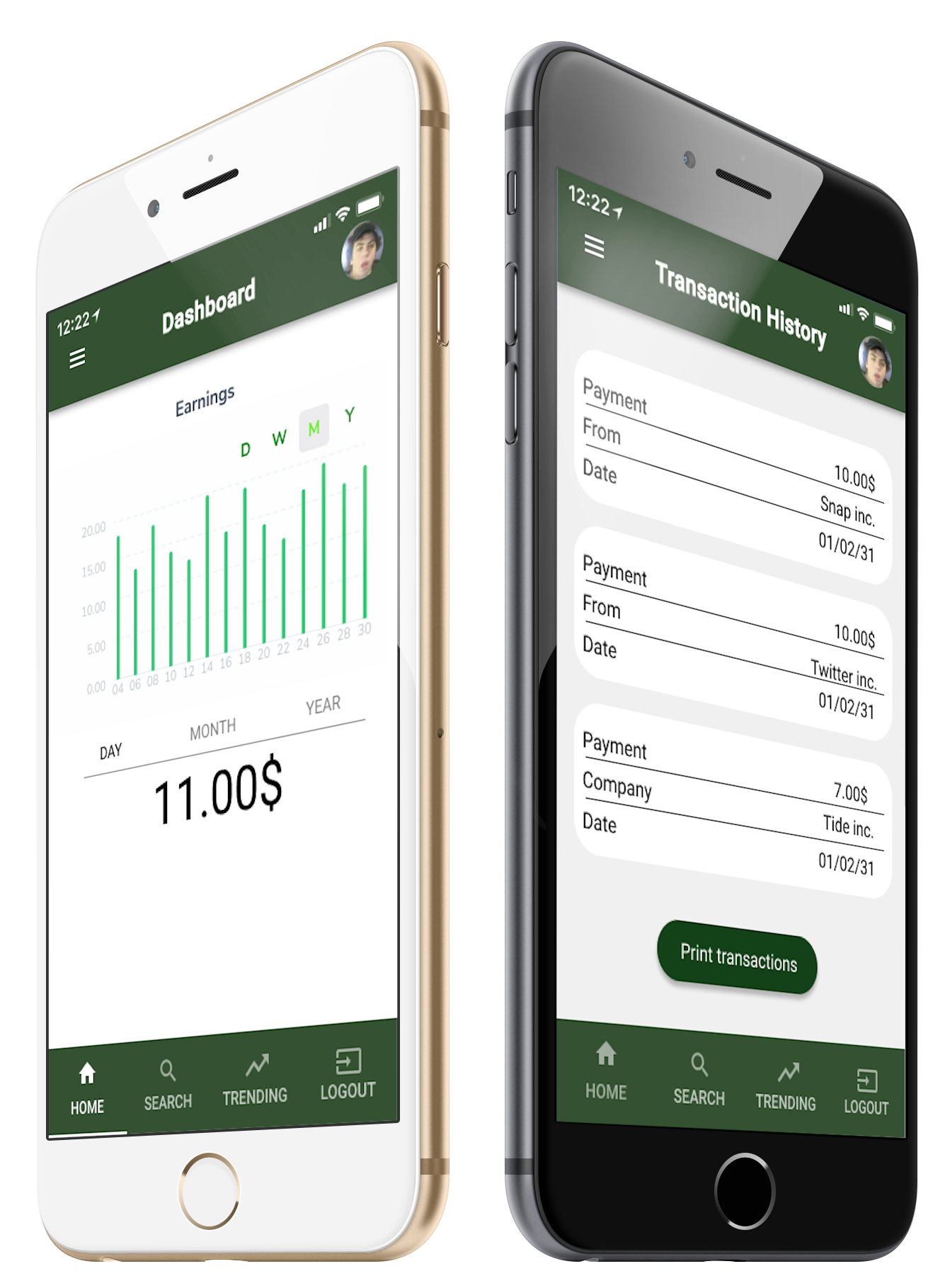
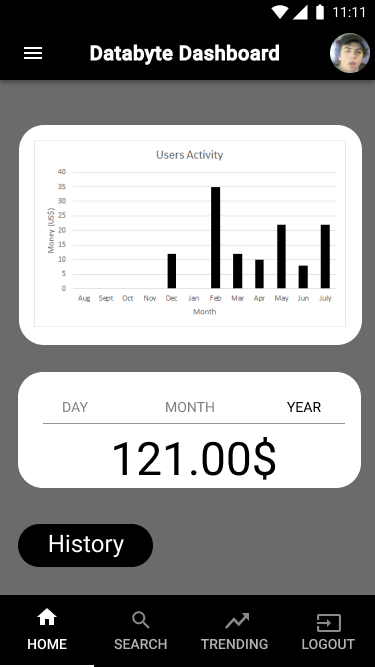
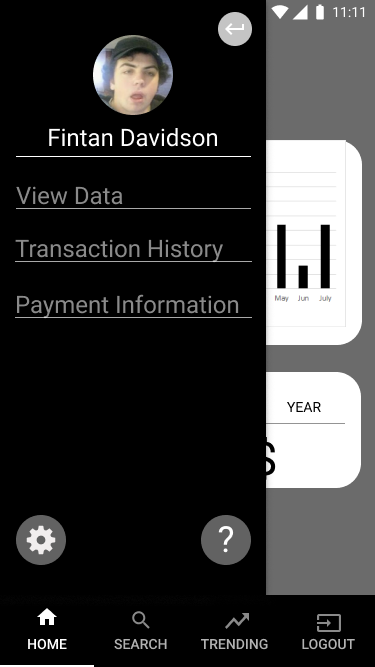
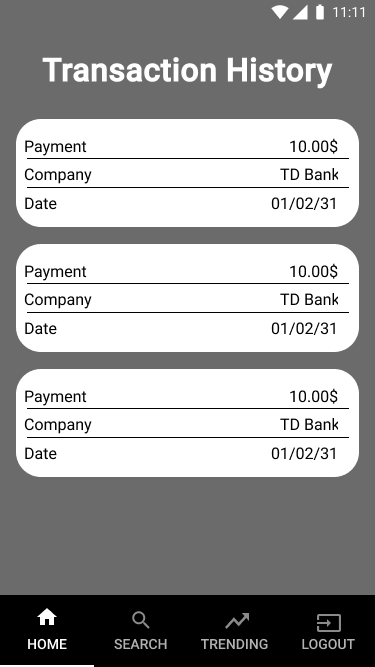
From our research and conducted interviews, we wanted our application to project a sense of reward to the users for their data. Once signed in, we would like to show a simple dashboard view displaying users' earnings and via some menu, we want the user to be able to consult their transaction history (companies who have paid them).

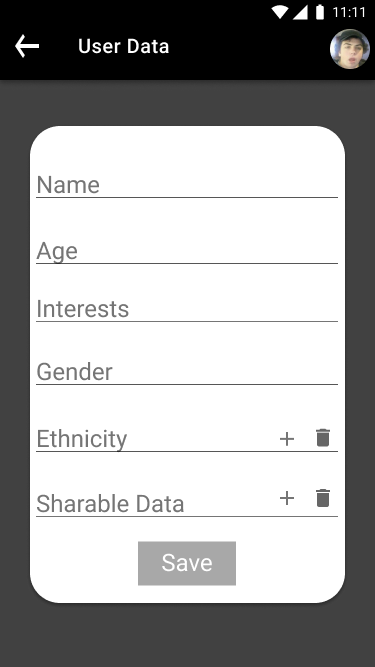
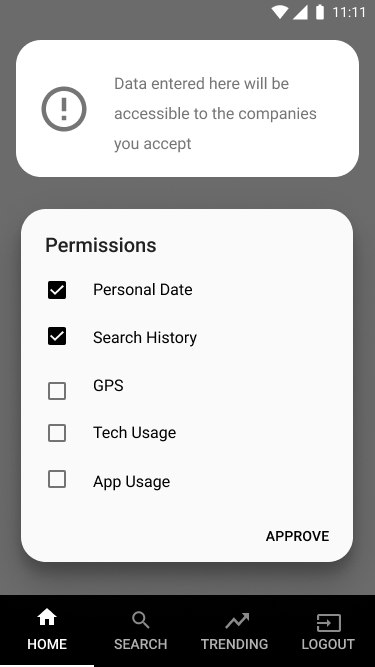
Following the dashboard view, we would like users to input their data in order to allow them to retreive relevant trends of companies looking for that specific type of data. Users could select permissions to allow them to feel secure as to what type of data they make accessible.

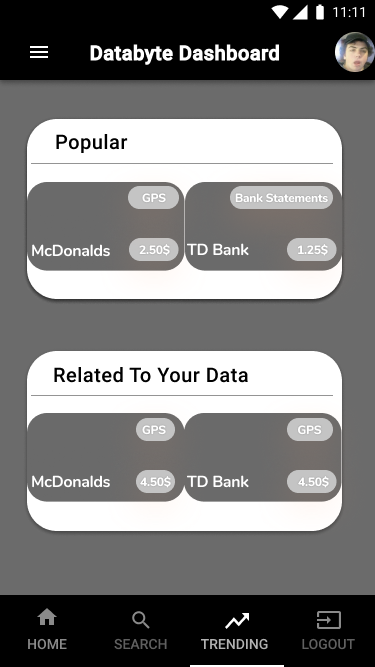
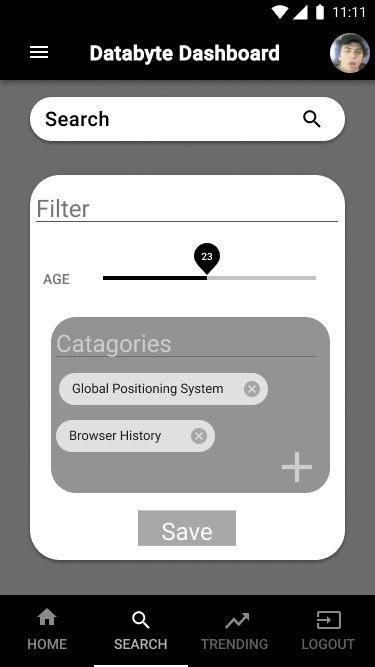
Here we demonstrate the general views of the "Trending" page (requested by our sample user population) as well as the "Search" page which would allow a user to search for specific companies and/or apply filters to target exactly what the user is trying to sell.

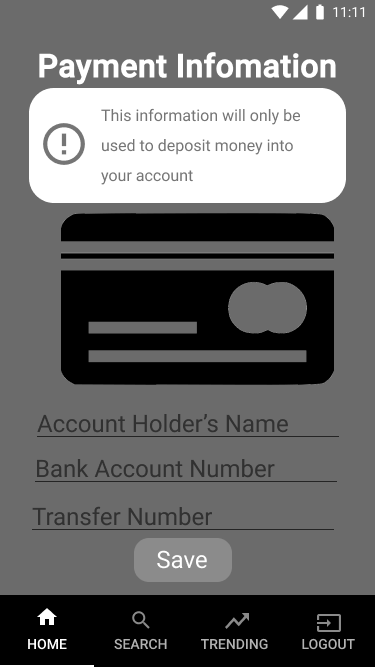
Finally, our interviewed sample population clearly desired having direct deposits and this is also want we wanted to highlight in our application to make it stand out. People want to know that "real" money will be going into their bank accounts once they sell their data.

Prototype

Decisions

Interview

For one, we first decided to conduct interviews as our data gathering technique over other techniques such as questionnaires. Our aim with this decision was to have a more human interaction with our population and probe for explanantion in order to develop a more sound understanding of how our users feel.


Storyboard & Journey Map

As a team, we wanted to illustrate a typical story that we feel could actually happen in the real world. A storyboard would be the most effective at doing this and it will allow people to relate to the scenario being described. Upon completion of our storyboard, we felt like the user experience was not entirely depicted through the sotryboard and hence we wanted to further illustrate this with a Journey Map to show the users experience while using the application.


Wireframes

We decided to simply put wireframes to outline the general layout of primary components of the application. We decided against including user-flow diagrams since we felt the journey map covered the application's interaction and we really wanted to focus on the visual aspect of the application.


Prototype

The reason we decided to do an interactive prototype was to further highlight the interaction of the application. Although, just showing the mockups in a static view would also be effective, showing visitors of the website a interactive prototype will allow them to get a better feel for the future application.

Final Thoughts

The primary focus of our application was to allow the user to receive payment in the currency they desired and to ensure that all data being collected is transparent and decided on by the user. Through post-prototype consultation we were able to confirm that our app met these desired goals by allowing 20 users to use our prototype and ensured these users were all able to fully understand all the interactions.

Our project was fairly small scale as we only did 15 interviews and only 1 of the interviews was done of someone outside Montreal. Further data collection would be required to make sure that the application is comprehensive to all users cognitive responses and desires.

Looking at some of our graphs and comparing them with the final prototype, we made the decision to only include the components that had the most interest and had we done more research we could have found a way to include some of the components without ruining the majorities user experience.

Lead the world forward!

Be part of something bigger